Community Preparedness Guide - Building Neighborhood Resilience
Complete guide to community emergency preparedness. Learn how to organize neighbors, create communication plans, and build local resilience for disasters.
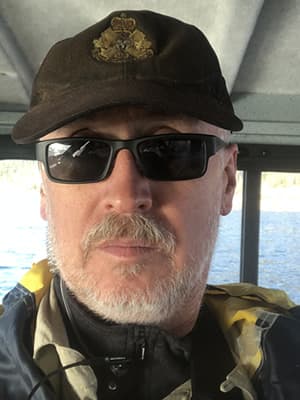
Bruce Zawalsky
Survival & DIY Expert
28+ years experience
28+ years wilderness survival and hands-on construction experience. Author of "Canadian Wilderness Survival."
Education
Canadian Armed Forces Wilderness Survival Training
Quick Answer
Community preparedness multiplies individual efforts. First, create a neighborhood contact list. Next, identify people with useful skills like medical, mechanical, and construction.
Then set up communication methods that work without infrastructure. Even simple coordination with 5-10 nearby households greatly improves disaster resilience.
Community Preparedness Assessment Quiz
Answer these questions to assess your neighborhood's current preparedness level and identify areas for improvement.
1. Does your neighborhood have a communication plan for emergencies?
2. Do you know which neighbors have medical, mechanical, or construction skills?
3. Is there a plan to check on elderly or disabled neighbors during emergencies?
4. Does your community have shared emergency supplies or a tool lending system?
5. Have you or neighbors completed any emergency training (CERT, first aid, etc.)?
6. How well do you know your immediate neighbors?
Answer all questions to see your community preparedness score.
Why Community Preparedness Matters
Individual preparedness has limits. During major disasters, emergency services get overwhelmed quickly.
Neighbors become first responders by default. Communities that organize before emergencies consistently have better outcomes. They rescue trapped people faster. They share resources more efficiently. They also build stronger psychological resilience.
Force Multiplication
Ten prepared neighbors working together accomplish more than 100 unprepared people working alone. Teamwork creates major advantages.
Faster Response
Neighbors can respond in minutes. However, official help may take hours or days in major disasters.
Shared Resources
Pool equipment like generators, tools, and medical supplies that are expensive for one household.
Getting Started
Step-by-Step Launch Plan
Start Small
First, talk to your immediate neighbors (5-10 households). Find 2-3 people interested in basic coordination.
Create Contact List
Next, collect names, phone numbers, and email addresses. Include both primary and backup contacts.
Host Informal Meeting
A backyard BBQ or coffee gathering works well. Use this time to discuss local risks and simple coordination ideas.
Identify Vulnerable Residents
Note elderly, disabled, or medically dependent neighbors. These people may need help during emergencies.
Assign Basic Roles
Pick a communication coordinator, supply tracker, and check-in team leaders. Keep it simple to start.
Document & Expand
Write down your plan and share copies with everyone. Then gradually expand to more households as interest grows.
Communication Planning
Primary Methods
- 📱Text Messages
Text messages often work when voice calls fail. Create a group text for quick updates.
- 📻Two-Way Radios
FRS/GMRS radios work without any infrastructure. Set up designated channels for your group.
- 📧Email Lists
Good for detailed information sharing when internet is available.
Backup Methods
- 📝Physical Message Board
Pick a central location for posting written updates. Use this when electronics fail.
- 🏃Runner System
Pick mobile people to physically carry messages between zones. This works when all technology fails.
- 📡Ham Radio
Licensed ham operators provide long-range communication. They work when all else fails.
Communication Tree Structure
Organize contacts into a tree structure. Each person contacts 3-4 others.
This allows rapid information spread. It also prevents overwhelming any single person.
Supporting Vulnerable Populations
Elderly, disabled, and medically dependent residents face the most risk during emergencies.
Proactive planning ensures no one is forgotten. Make a list now before disaster strikes.
Who to Identify
- • Elderly living alone
- • People with mobility limitations
- • Those dependent on medical equipment
- • Families with infants or young children
- • Residents with cognitive impairments
- • Non-English speaking households
How to Help
- • Pick specific helpers for each vulnerable household
- • Learn their specific needs (medications, equipment)
- • Include them in communication tree
- • Practice evacuation assistance
- • Keep spare keys if trusted
- • Know their emergency contacts
Training & Drills
Essential Training Areas
First Aid & CPR
Get American Red Cross or similar certified training. Aim for multiple certified people in your group.
Fire Extinguisher Use
Most people have never used one. Practice with expired extinguishers before an emergency.
Search & Rescue Basics
Learn how to safely search damaged structures. Also learn how to move injured people properly.
Drill Schedule
| Frequency | Drill Type | Purpose |
|---|---|---|
| Quarterly | Communication Check | Verify contact info works, test radio channels |
| Twice Yearly | Vulnerable Check-in | Practice checking on identified vulnerable residents |
| Annually | Full Scenario Drill | Complete mock emergency with all systems activated |
CERT Programs
Community Emergency Response Team Training
CERT is a FEMA program that trains civilians in basic disaster response skills.
Having multiple CERT-trained members in your neighborhood greatly increases community resilience. This training is valuable and usually free.
What CERT Covers
- • Disaster preparedness
- • Fire safety and suppression
- • Light search and rescue
- • Team organization
- • Disaster medical operations
- • Disaster psychology
- • Terrorism and CERT
How to Get Started
- • Contact local fire department or emergency management
- • Training is usually free (20-24 hours total)
- • Classes often held evenings/weekends
- • No prior experience required
- • Equipment often provided after certification
Pro Tip: Recruit 3-5 neighbors to take CERT training together. You'll bond during the classes. Then you can practice skills together afterward.
Related Resources
Frequently Asked Questions
How do I start a community preparedness group?
First, talk to 3-5 interested neighbors. Then host an informal meeting to discuss local risks and concerns. Next, create a simple communication tree. Finally, pick basic roles like communication coordinator and supply manager.
What are the most important elements of community preparedness?
Key elements include: communication plans, identification of vulnerable residents, shared emergency supplies, skill inventories, meeting points, and regular practice drills.
How often should community preparedness meetings be held?
Monthly meetings work well for active groups. Also run quarterly drills for practice. At minimum, meet twice yearly to update contact information. Use these meetings to review plans before storm seasons.
What role does CERT play in community preparedness?
Community Emergency Response Team (CERT) training provides valuable skills. These include light search and rescue, fire safety, medical operations, and disaster psychology. CERT-trained neighbors become force multipliers during emergencies.
How do I convince skeptical neighbors to participate?
Focus on practical benefits. For example, you'll know who can help with specific skills. You'll have backup communication during outages. You'll also build neighborhood connections. Start small with a contact list. Then expand gradually.
What communication methods work best during disasters?
Layer your communications for maximum reliability. Use text messages since they often work when calls fail. Add ham radio which needs no infrastructure. Include walkie-talkies for local communication. Also set up physical message boards. Finally, pick runners to carry critical information.
How do I identify vulnerable residents without being intrusive?
Host a casual neighborhood gathering and mention emergency planning. Create a voluntary sign-up for those wanting check-ins during emergencies. This respects privacy while helping people opt in. Also work through existing community connections like churches or HOAs.
What supplies should a community stockpile together?
Focus on items that are expensive for individuals but useful for groups. These include generators, water filtration systems, chainsaws, medical supplies, communication equipment, and fuel containers. Write down who stores what so everyone knows where to find things.
Bruce Zawalsky
Survival & DIY Expert | 28+ Years Experience
Bruce is a wilderness survival expert with 28+ years of experience and author of "Canadian Wilderness Survival." His extensive hands-on experience in building wilderness shelters, construction projects, and practical DIY work, combined with his military training, ensures all our construction guides and survival content are field-tested and practical.
View LinkedIn Profile