Tablespoons to Cups Conversion Calculator (tbsp to c)
Convert tablespoons to cups instantly with our calculator and conversion charts. Includes quick buttons for common amounts and detailed measurement guides
Need the Reverse Conversion?
Convert Cups to Tablespoons →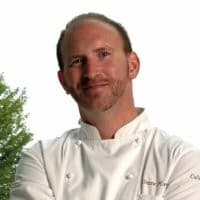
Chef Steven Harty
Professional Chef
30+ years experience
30+ years professional experience, trained under Rick Bayless. Specializes in precision cooking.
Education
Culinary Training under Chef Rick Bayless
Quick Answer
16 tablespoons equal exactly 1 cup. This is the standard US measurement conversion for both liquid and dry ingredients in cooking and baking. Quick conversions: 8 tbsp = 1/2 cup | 4 tbsp = 1/4 cup | 12 tbsp = 3/4 cup
Complete Conversion Chart
| Tablespoons | Cups | Decimal Cups | Fluid Ounces |
|---|---|---|---|
| 1 tablespoon | 1/16 cup | 0.0625 cup | 0.5 fl oz |
| 2 tablespoons | 1/8 cup | 0.125 cup | 1 fl oz |
| 3 tablespoons | 3/16 cup | 0.1875 cup | 1.5 fl oz |
| 4 tablespoons | 1/4 cup | 0.25 cup | 2 fl oz |
| 6 tablespoons | 3/8 cup | 0.375 cup | 3 fl oz |
| 8 tablespoons | 1/2 cup | 0.5 cup | 4 fl oz |
| 12 tablespoons | 3/4 cup | 0.75 cup | 6 fl oz |
| 16 tablespoons | 1 cup | 1.0 cup | 8 fl oz |
| 24 tablespoons | 1.5 cups | 1.5 cups | 12 fl oz |
| 32 tablespoons | 2 cups | 2.0 cups | 16 fl oz |
| 48 tablespoons | 3 cups | 3.0 cups | 24 fl oz |
The Math Behind the Conversion
Basic Conversion Formula:
16 tablespoons = 1 cup
Cups = Tablespoons ÷ 16
Example: 32 tablespoons ÷ 16 = 2 cups
Explanation:
To convert tablespoons to cups, you divide the number of tablespoons by 16. This is because there are exactly 16 tablespoons in 1 cup according to the US customary measurement system.
Step-by-Step Conversion:
- 1. Count your tablespoons
- 2. Divide by 16
- 3. Result is cups
Example Calculations:
- • 8 tablespoons: 8 ÷ 16 = 0.5 cups (or 1/2 cup)
- • 12 tablespoons: 12 ÷ 16 = 0.75 cups (or 3/4 cup)
- • 24 tablespoons: 24 ÷ 16 = 1.5 cups
Common Conversions Explained
How Many Cups in 16 Tablespoons?
16 tablespoons equal exactly 1 cup. This is the most fundamental tablespoon-to-cup conversion and forms the basis for all other conversions. Whether you're measuring liquid or dry ingredients, 16 tablespoons will always equal 1 cup.
Why it matters:
- • Foundation of all tablespoon conversions
- • Easy to remember: "16 and 1"
- • Works for any ingredient type
- • Standard across all US recipes
How Many Cups in 8 Tablespoons?
8 tablespoons equal 1/2 cup. This is calculated as 8 ÷ 16 = 0.5 cups. This conversion is extremely common in baking recipes, especially for ingredients like butter, oil, or sugar.
Practical use:
- • Half a stick of butter = 8 tablespoons = 1/2 cup
- • Common in small batch recipes
- • Easy to measure with tablespoons
- • Perfect for halving recipes
How Many Cups in 4 Tablespoons?
4 tablespoons equal 1/4 cup. This conversion (4 ÷ 16 = 0.25 cups) is one of the most frequently used in cooking. Many recipes specify ingredients in quarter-cup measurements.
When you'll use it:
- • Small amounts of liquid in recipes
- • Butter measurements
- • Oil for dressing
- • Sugar for beverages
Learn more: Complete 1/4 Cup Guide
How Many Cups in 32 Tablespoons?
32 tablespoons equal 2 cups. Calculate this as 32 ÷ 16 = 2 cups. This conversion is useful when scaling recipes or working with larger quantities.
Applications:
- • Doubling recipes
- • Meal prep cooking
- • Large batch baking
- • Bulk ingredient measuring
Practical Kitchen Tips
Use the Right Measuring Spoons
Invest in a quality set of measuring spoons with clearly marked measurements. Level off dry ingredients with a knife for accuracy. For liquids, fill to the brim and check at eye level.
When to Use Cups vs Tablespoons
Use tablespoons for amounts under 1/4 cup (4 tablespoons). For 1/4 cup and larger, use measuring cups. This saves time and reduces the number of scoops needed. It also minimizes measurement errors.
Butter Stick Shortcuts
Remember: 1 stick of butter = 8 tablespoons = 1/2 cup. Many butter wrappers have tablespoon markings. This makes it easy to measure without dirtying spoons—just cut at the marked line.
Consider Weighing Ingredients
For baking precision, use a kitchen scale to measure by weight (grams or ounces) instead of volume. Weight measurements are more accurate because they eliminate variations in how ingredients are packed or leveled.
Recipe Conversions at a Glance
| Recipe Calls For | Use This Instead | Common Use |
|---|---|---|
| 1/4 cup | 4 tablespoons | Butter, oil, sugar |
| 1/3 cup | 5 tbsp + 1 tsp | Brown sugar, honey |
| 1/2 cup | 8 tablespoons | Flour, butter, milk |
| 2/3 cup | 10 tbsp + 2 tsp | Chocolate chips, nuts |
| 3/4 cup | 12 tablespoons | Sugar, flour, liquid |
| 1 cup | 16 tablespoons | All ingredients |
| 1.5 cups | 24 tablespoons | Larger batches |
| 2 cups | 32 tablespoons | Doubled recipes |
International Measurements
⚠️ Important Note
This calculator uses US customary measurements. If you're using recipes from other countries, be aware that measurements may differ. Always check which measurement system your recipe uses.
🇺🇸 United States
- 1 tablespoon = 14.79 mL
- 1 cup = 236.59 mL (8 fl oz)
- 16 tablespoons = 1 cup
Standard measurements used in this calculator
📐 Metric (International)
- 1 tablespoon = 15 mL
- 1 cup = 250 mL
- 16.67 tablespoons = 1 cup
Used in most of the world except US, UK, and Australia
🇬🇧 United Kingdom
- 1 tablespoon = 17.76 mL
- 1 cup = 284.13 mL (10 fl oz)
- 16 tablespoons = 1 cup (approx)
Imperial measurements differ slightly from US
🇦🇺 Australia
- 1 tablespoon = 20 mL
- 1 cup = 250 mL
- 12.5 tablespoons = 1 cup
Larger tablespoon size than US and UK
📌 Conversion Tips:
- • When converting international recipes to US measurements, use an online converter for best results
- • Australian tablespoons are significantly larger (20 mL vs 15 mL)
- • UK cups are larger than US cups (284 mL vs 237 mL)
- • For baking precision, measure by weight (grams) when possible
Related Resources
Cups to Tablespoons Calculator
Convert cups to tablespoons with our reverse calculator and quick reference charts
Convert Cups → TablespoonsHow Many Tablespoons in 1/4 Cup?
Complete guide to quarter cup measurements with detailed conversions
View Quarter Cup Guide →Complete Cooking Conversions
Full collection of cooking measurement calculators and conversion guides
Browse All Tools →Frequently Asked Questions
How many cups in 16 tablespoons?
16 tablespoons equal exactly 1 cup. This is the standard US measurement conversion and forms the foundation for all tablespoon-to-cup conversions. This ratio applies to both liquid and dry ingredients.
How many cups in 8 tablespoons?
8 tablespoons equal 1/2 cup. Calculate this by dividing 8 ÷ 16 = 0.5 cups. This is one of the most commonly used conversions in baking, especially for butter (1/2 stick = 8 tablespoons = 1/2 cup).
How do you convert tablespoons to cups?
To convert tablespoons to cups, divide the number of tablespoons by 16. The formula is: Cups = Tablespoons ÷ 16. For example, 32 tablespoons ÷ 16 = 2 cups. This works for any amount.
How many cups in 32 tablespoons?
32 tablespoons equal 2 cups. Calculate this by dividing 32 ÷ 16 = 2 cups. This conversion is useful when doubling recipes or working with larger ingredient quantities in meal prep or batch cooking.
How many cups in 4 tablespoons?
4 tablespoons equal 1/4 cup. This is calculated as 4 ÷ 16 = 0.25 cups or 1/4 cup. This is one of the most frequently used conversions in cooking for small amounts of butter, oil, or other ingredients.
How many cups in 12 tablespoons?
12 tablespoons equal 3/4 cup. Calculate this by dividing 12 ÷ 16 = 0.75 cups or 3/4 cup. This measurement is common in baking recipes for ingredients like flour, sugar, or butter.
Is it better to measure in tablespoons or cups?
Cups are more convenient for larger amounts (1/4 cup and up), while tablespoons are better for smaller quantities (less than 1/4 cup). For baking precision, consider using a kitchen scale to measure by weight instead of volume.
How many tablespoons in 1 cup?
This is the reverse conversion: 1 cup equals 16 tablespoons. If you need to convert cups to tablespoons instead, use our Cups to Tablespoons Calculator.
Chef Steven Harty
Professional Chef | 30+ Years Experience
Chef Harty brings over 30 years of professional culinary experience, having trained under renowned chef Rick Bayless. He specializes in precision cooking and measurement accuracy, ensuring all our cooking conversions and ingredient calculations are tested and verified in real kitchen conditions.
View LinkedIn Profile